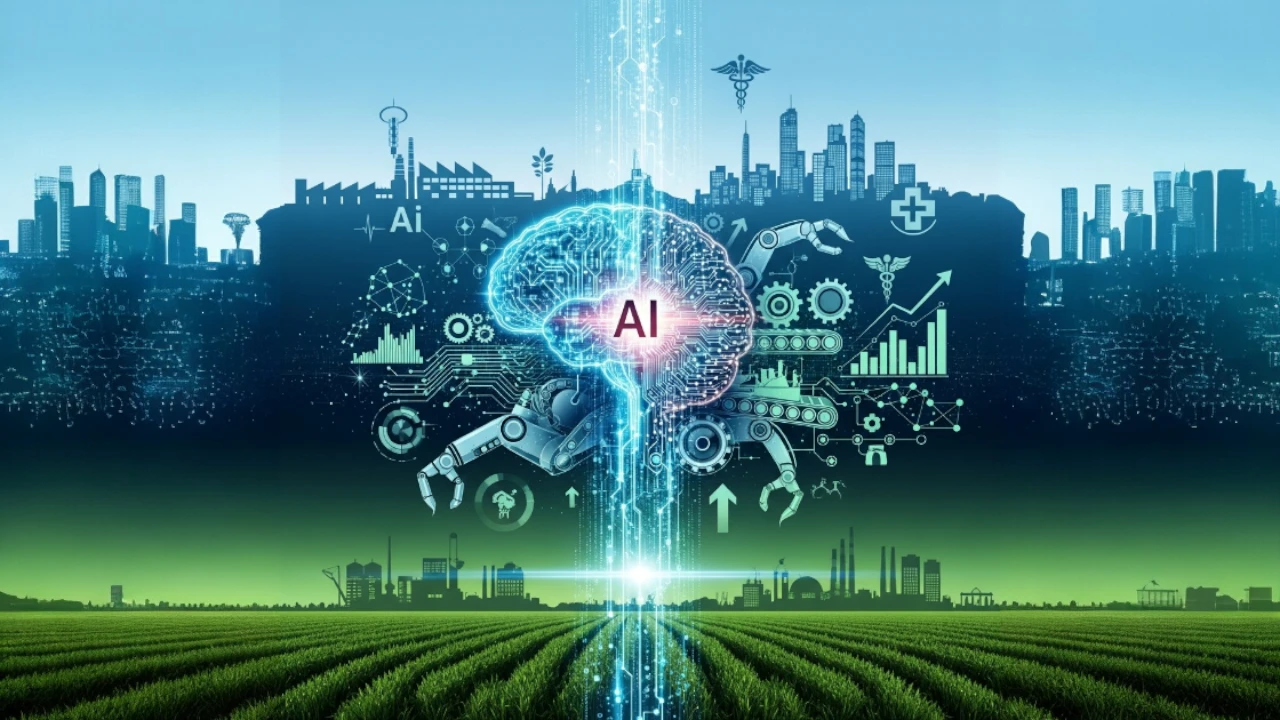
The global economy is no longer solely driven by physical assets or traditional business models. The digital economy—powered by technologies like AI, cloud computing, blockchain, and big data—is redefining industries worldwide.
From retail and finance to healthcare and manufacturing, organizations must adapt or risk obsolescence. Innovators who understand the forces shaping the digital economy can unlock new growth, streamline operations, and create unprecedented value.
This article explores how the digital economy is reshaping industries, the strategies driving transformation, and the opportunities forward-thinking innovators should seize.
Table of Contents
ToggleUnderstanding the Digital Economy
The digital economy refers to economic activity driven by digital technologies, platforms, and data. It includes:
- E-commerce and online marketplaces
- Fintech and digital banking
- Cloud-based services and SaaS
- AI-driven analytics and decision-making
- Platform economies connecting consumers and businesses
Unlike traditional industries, the digital economy reduces barriers to entry, accelerates innovation cycles, and emphasizes data as a core asset.
Key Drivers Reshaping Industries
Several technological and economic forces are accelerating transformation:
1. Artificial Intelligence & Machine Learning
AI is revolutionizing decision-making, predictive analytics, and customer personalization. Businesses now use AI to:
- Optimize supply chains
- Predict market trends
- Automate customer support
- Improve product design
Companies leveraging AI gain faster insights and competitive advantages.
2. Cloud Computing & SaaS Platforms
Cloud solutions reduce infrastructure costs, allow scalability, and enable global collaboration. Key benefits include:
- Remote accessibility
- Cost-effective computing
- Rapid deployment of applications
SaaS platforms are enabling startups and traditional firms to innovate faster.
3. Big Data & Analytics
Data is the new currency. Companies analyze consumer behavior, operations, and market trends to make data-driven decisions. Big data insights are crucial for:
- Personalized marketing
- Product development
- Operational efficiency
4. Blockchain & Decentralized Technologies
Blockchain ensures transparency, security, and efficiency in transactions and contracts. Industries using blockchain include:
- Supply chain management
- Finance & banking
- Healthcare data management
5. Internet of Things (IoT)
IoT devices collect real-time data that enhance efficiency and customer experience. Applications include:
- Smart factories
- Connected healthcare devices
- Logistics tracking
How Key Industries Are Being Reshaped
The digital economy impacts every sector differently. Here are notable examples:
1. Retail
- E-commerce giants like Amazon and Alibaba dominate through digital-first strategies.
- Personalized recommendations, AI-driven inventory, and omnichannel experiences are standard.
- Brick-and-mortar retailers must integrate digital tools to stay relevant.
2. Finance & Banking
- Fintech companies like Stripe and Revolut are challenging traditional banks.
- Digital wallets, blockchain payments, and AI-driven lending are redefining financial services.
- Traditional banks are embracing digital transformation to maintain competitiveness.
3. Healthcare
- Telemedicine and wearable health devices are providing real-time patient monitoring.
- AI diagnostics improve speed and accuracy.
- Personalized medicine and predictive analytics are reshaping treatment strategies.
4. Manufacturing & Supply Chain
- Smart factories powered by IoT sensors and AI optimize production.
- Predictive maintenance reduces downtime.
- Digital supply chains improve resilience and transparency.
5. Media & Entertainment
- Streaming services and content platforms are replacing traditional media.
- AI recommendations personalize user experiences.
- Interactive gaming and AR/VR experiences redefine engagement.
Opportunities for Innovators
Innovators who understand the digital economy can create value and disrupt traditional models. Key opportunities include:
1. Digital Platforms & Marketplaces
- Connecting consumers and service providers
- Reducing transaction friction
- Leveraging network effects
2. Data Monetization
- Using customer and operational data to create insights
- Offering data-driven products or services
3. Automation & AI Solutions
- Streamlining repetitive tasks
- Providing AI consulting and workflow solutions
4. Sustainable & Green Technologies
- Digital solutions for energy efficiency
- Smart grids, carbon tracking, and eco-friendly logistics
5. Personalized Customer Experiences
- Hyper-personalized products, services, and recommendations
- AI-driven marketing & customer engagement
Challenges in the Digital Economy
Despite its potential, innovators face key challenges:
- Cybersecurity risks: Protecting sensitive data is critical.
- Regulatory compliance: Laws differ across regions, especially for data and fintech.
- Skill gaps: AI, analytics, and cloud expertise are in high demand.
- Digital divide: Unequal access to technology can create market disparities.
- Rapid disruption: Failure to innovate quickly can lead to obsolescence.
Addressing these challenges requires strategic planning, investment in talent, and continuous learning.
Strategies to Thrive in the Digital Economy
For innovators and business leaders, success comes from:
- Adopting digital-first strategies: Move core operations and customer experiences online.
- Investing in AI and analytics: Leverage data to make informed decisions.
- Building flexible and scalable systems: Cloud-based solutions reduce costs and enable rapid expansion.
- Fostering innovation culture: Encourage experimentation, rapid prototyping, and digital literacy.
- Collaborating across ecosystems: Partner with startups, tech providers, and industry networks.
Companies that implement these strategies are more likely to lead their industries in the digital era.
Internal Link Suggestions
If applied to your website’s niche, you could include links such as:
- “Top Digital Business Tools for Entrepreneurs”
- “How AI Is Changing Modern Businesses”
- “Strategies for Innovators to Succeed in the Digital Age”
External Authoritative Sources
For credibility and E-E-A-T:
- World Economic Forum (WEF) – Digital Economy Reports
- McKinsey & Company – Industry Digitalization
- Harvard Business Review – Digital Transformation
- OECD – Digital Economy Outlook
- MIT Sloan Management Review – Innovation Insights
FAQs
1. What is the digital economy?
The digital economy is economic activity enabled by digital technologies, data, and platforms, transforming traditional business models.
2. How does the digital economy affect traditional industries?
It changes how businesses operate, how customers interact, and how value is created, often favoring digital-first strategies.
3. What skills are essential for innovators in the digital economy?
AI, data analytics, cloud computing, cybersecurity, digital marketing, and agile innovation skills.
4. Can small businesses compete in the digital economy?
Yes. Digital platforms, cloud tools, and automation reduce entry barriers, allowing small businesses to scale quickly.
5. What are the main challenges in the digital economy?
Cybersecurity, regulatory compliance, skill shortages, rapid disruption, and digital inequality are key challenges to address.
Conclusion
The digital economy is not the future—it is the present. Industries are being reshaped, and innovators who embrace technology, data, and customer-centric models will thrive.
By understanding key trends, leveraging AI, cloud computing, and digital platforms, and building agile, innovative organizations, leaders can turn disruption into opportunity.
The digital economy rewards those who adapt quickly, think strategically, and invest in technology and talent. Innovators who act now will define the industries of tomorrow.