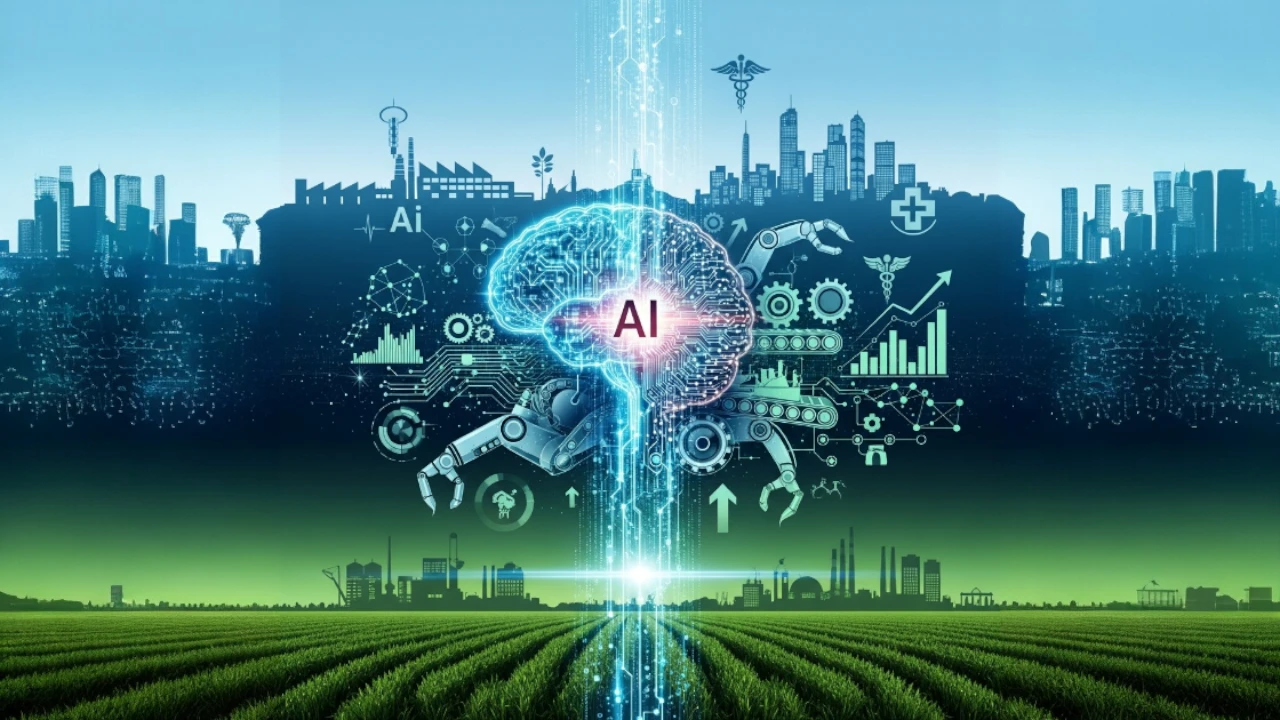
The future of work isn’t just about technology—it’s about how people, processes, and innovation converge to create new industry dynamics. Key drivers include:
- Automation and AI integration
- Remote and hybrid work models
- Gig economy expansion
- Digital transformation across sectors
Why it matters: Companies that adapt proactively thrive, while those that resist risk obsolescence.
Table of Contents
ToggleTrend 1: Automation and AI Transforming Roles
Artificial Intelligence and automation are redefining tasks across industries.
Impacts:
- Repetitive manual tasks are increasingly automated
- Decision-making augmented with AI insights
- New roles emerge in data analysis, AI oversight, and robotics
Example: In manufacturing, robots handle assembly lines while human workers focus on quality control and innovation.
Pro Insight: Innovators should embrace AI as a tool for efficiency, not a replacement for human ingenuity.
Trend 2: Rise of Remote and Hybrid Work
The COVID-19 pandemic accelerated remote work adoption, making hybrid models mainstream.
Key Implications:
- Global talent pools are now accessible
- Collaboration tools like Slack, Zoom, and Asana are essential
- Flexible work arrangements boost productivity and employee satisfaction
Story Example: Tech companies now design hybrid workflows that balance in-office collaboration with remote efficiency, creating more resilient operations.
Trend 3: Reskilling and Upskilling for the Modern Workforce
As industries evolve, workers need continuous learning to stay relevant.
Strategies:
- Online courses, certifications, and microlearning
- Cross-functional training programs
- Emphasis on digital literacy, critical thinking, and creativity
Pro Tip: Companies that invest in reskilling gain competitive advantage and retain top talent.
Trend 4: Digital Collaboration and Cloud Technologies
Cloud platforms and collaboration tools are transforming workplace efficiency.
Benefits:
- Real-time project management and communication
- Reduced dependency on physical offices
- Enhanced cross-functional and global teamwork
Example: Companies using integrated cloud systems report faster project turnaround and higher innovation rates.
Trend 5: The Gig Economy and Flexible Workforces
Freelancers and contract workers are reshaping traditional employment models.
Implications for innovators:
- Access to specialized skills on demand
- Agile project teams without long-term commitments
- Increased competition for high-value talent
Story Example: Marketing firms now leverage gig talent for niche campaigns, reducing costs while improving creativity.
Trend 6: Industry-Specific Impacts
The future of work affects industries differently:
- Healthcare: Telemedicine and AI diagnostics streamline patient care
- Finance: Blockchain and AI revolutionize transactions and fraud detection
- Retail: E-commerce, automated supply chains, and personalized marketing redefine customer engagement
- Manufacturing: Smart factories with IoT sensors and robotics optimize production
Pro Insight: Innovators must analyze sector-specific trends to create targeted solutions and maintain relevance.
Trend 7: Employee Experience and Workplace Well-Being
Future-ready organizations prioritize mental health, inclusivity, and engagement.
Strategies:
- Wellness programs and flexible schedules
- Remote-friendly policies
- Inclusive leadership and career development opportunities
Impact: Happier, healthier employees are more productive and innovative, driving long-term business success.
Trend 8: Sustainability and Corporate Responsibility
Sustainability is no longer optional—it’s a competitive differentiator.
Key Points:
- Companies integrate eco-friendly practices into operations
- Transparent supply chains and ethical standards build trust
- Employees increasingly seek purpose-driven workplaces
Example: Businesses adopting green practices often attract top talent and loyal customers simultaneously.
Frequently Asked Questions (FAQs)
What skills are essential for the future of work?
Digital literacy, critical thinking, creativity, adaptability, and emotional intelligence are increasingly important.
How can companies prepare for AI and automation?
Invest in training, adopt AI tools strategically, and reassign human talent to high-value, creative roles.
Is remote work here to stay?
Yes, hybrid models are becoming the norm, offering flexibility, access to global talent, and operational efficiency.
How does the gig economy affect traditional employment?
It offers flexibility and access to specialized skills but requires innovative management and talent retention strategies.
What industries are most impacted by the future of work?
Healthcare, finance, retail, manufacturing, and tech sectors are undergoing the most significant transformations.
Conclusion
The future of work is reshaping industries through technology, workforce flexibility, and continuous innovation. Innovators who understand these trends—automation, remote collaboration, upskilling, and sustainability—can capitalize on emerging opportunities, improve workforce efficiency, and stay ahead in competitive markets. Embracing the future of work today ensures resilience, relevance, and long-term success.
Internal Link Suggestions:
- “Top Digital Transformation Strategies for Businesses”
- “How Remote Work Is Redefining Productivity”
- “Essential Skills Every Innovator Needs in 2026”
External Authoritative Sources: