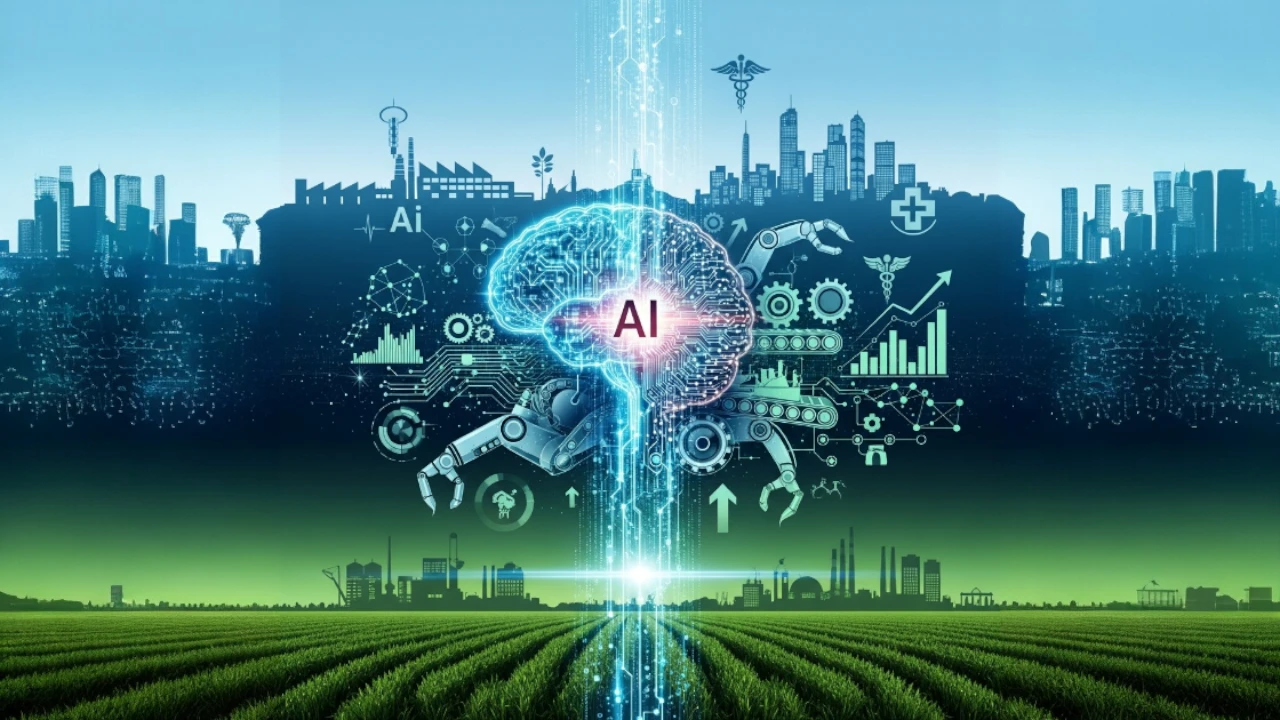
Artificial intelligence (AI) and automation are no longer future concepts—they are actively reshaping industries worldwide. Companies that integrate intelligent systems gain a competitive edge by reducing operational inefficiencies, optimizing supply chains, and delivering personalized experiences to customers.
The revolution spans multiple sectors:
- Manufacturing: Smart factories, predictive maintenance
- Healthcare: AI diagnostics, robotic surgeries
- Finance: Automated trading, fraud detection
- Retail: Personalized recommendations, inventory automation
- Logistics: Autonomous delivery, predictive routing
For innovators, understanding these transformations is key to staying relevant in 2026 and beyond.
Table of Contents
ToggleWhy AI & Automation Matter for Innovators
Modern businesses operate in a hyper-competitive, technology-driven environment. Innovators who leverage AI and automation enjoy:
- Faster decision-making
- Reduced human error
- Cost savings
- Improved productivity
- Data-driven insights
Ignoring these technologies can leave businesses trailing behind competitors who embrace efficiency, personalization, and predictive analytics.
Key Ways AI & Automation Are Reshaping Industries
1. Enhancing Operational Efficiency
AI algorithms optimize workflows by identifying bottlenecks, predicting maintenance needs, and automating repetitive tasks. Automation reduces the need for manual intervention in routine operations.
Examples:
- Predictive maintenance in manufacturing
- Automated customer support in service industries
- Robotic process automation (RPA) for finance
Impact:
- Reduced downtime
- Lower operational costs
- Higher throughput and productivity
2. Transforming Decision-Making with Data-Driven Insights
AI systems analyze massive datasets in seconds, providing actionable insights that humans cannot process quickly.
Applications include:
- Real-time market analytics
- Predictive consumer behavior modeling
- AI-driven risk assessment
Innovators can make faster, more informed decisions and discover opportunities that traditional analysis may overlook.
3. Revolutionizing Customer Experience
Automation and AI enhance personalization at scale. Companies can deliver:
- Targeted product recommendations
- Chatbots and AI assistants for instant support
- Predictive services anticipating customer needs
This shift is transforming how businesses engage, retain, and convert customers, providing a competitive advantage in a saturated market.
4. Accelerating Product Innovation
AI-driven design tools help innovators prototype faster, optimize product features, and even predict market success before launch.
Example:
- AI simulations for automotive or electronics testing
- Predictive algorithms for drug discovery in pharmaceuticals
By leveraging AI, innovators reduce development cycles and launch products faster, staying ahead of competitors.
5. Creating Smarter Supply Chains
Automation streamlines supply chain management:
- Autonomous warehousing
- Predictive inventory replenishment
- Logistics optimization
Result: Reduced waste, faster delivery times, and improved responsiveness to market fluctuations.
6. Enabling Workforce Transformation
AI and automation shift human roles from repetitive tasks to creative, strategic, and analytical work.
Key impacts:
- Upskilling employees for higher-value tasks
- Reducing human error
- Enhancing collaboration between humans and machines
Innovators need to embrace workforce training and AI-human integration to maximize productivity.
7. Unlocking New Business Models
AI enables entirely new business opportunities:
- AI-as-a-Service (AIaaS)
- Predictive maintenance subscriptions
- Personalized on-demand services
Companies can monetize data, optimize processes, and create recurring revenue streams previously impossible without intelligent systems.
Practical Tips for Innovators Leveraging AI & Automation
- Start Small, Scale Fast: Pilot AI projects before full-scale implementation.
- Focus on ROI: Prioritize automation in processes with high time or cost savings.
- Invest in Talent: Train employees in AI literacy, data analysis, and strategic decision-making.
- Collaborate With Tech Partners: Leverage AI platforms and cloud services for faster deployment.
- Ethics & Compliance: Ensure AI usage follows legal, ethical, and privacy guidelines.
Challenges Innovators Should Be Aware Of
While AI and automation offer transformative benefits, challenges remain:
- High initial investment costs
- Data privacy and security concerns
- Resistance to change in workforce
- Algorithm biases and transparency issues
- Ongoing maintenance and adaptation requirements
Proactive planning and ethical AI practices help innovators mitigate these risks effectively.
The Future of AI & Automation in Industry
By 2030, experts predict AI and automation will:
- Handle 50–60% of repetitive business tasks
- Deliver hyper-personalized consumer experiences
- Optimize energy and resource use
- Drive predictive healthcare and preventive solutions
Innovators who embrace AI today will lead tomorrow’s market disruptions, while laggards risk being left behind.
FAQs
1. What industries benefit most from AI and automation?
All industries benefit, but manufacturing, healthcare, finance, logistics, and retail are seeing the fastest and most measurable impact.
2. Can small businesses leverage AI effectively?
Yes. AI-as-a-Service (AIaaS) platforms and cloud automation tools make advanced AI accessible to businesses of all sizes.
3. How does automation impact jobs?
While some repetitive roles may diminish, AI creates higher-value positions in strategy, analysis, and creative problem-solving.
4. What are the risks of AI adoption?
Risks include data privacy issues, biased algorithms, high costs, and workforce resistance. Ethical and strategic implementation is key.
5. How can innovators start integrating AI?
Begin with pilot projects, prioritize processes with high ROI, invest in talent, and partner with reliable technology providers.
Conclusion
AI and automation are not just trends—they are transformative forces reshaping industries worldwide. Innovators who understand, implement, and optimize these technologies gain unprecedented advantages: faster decisions, smarter operations, cost efficiency, and new business opportunities.
The future of industry is intelligent, automated, and hyper-efficient.
Innovators who embrace AI today are the leaders of tomorrow.
Internal Link Suggestions
- “Top Tech Trends Every Innovator Should Know”
- “How Digital Transformation Boosts Business Growth”
- “AI-Powered Tools for Small Business Success”