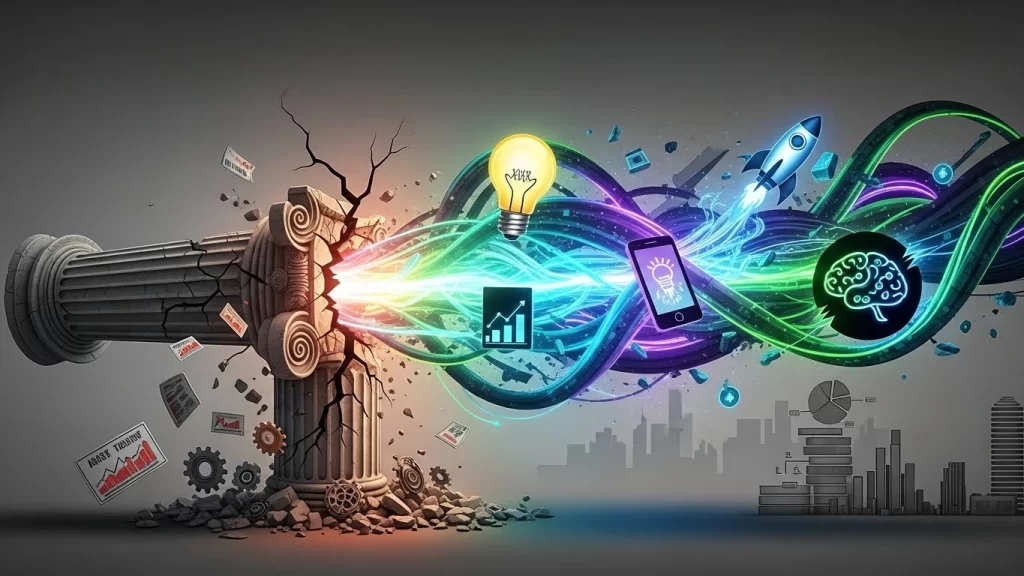
In today’s fast-paced business world, traditional marketing strategies often fail to stand out. Consumers are bombarded with content, ads, and promotions, making attention a scarce resource. Enter disruptive marketing—a powerful approach that breaks norms, challenges conventions, and transforms industries by creating unique, memorable, and bold brand experiences.
Disruptive marketing isn’t just about being different; it’s about rethinking how brands engage with audiences, innovate products, and create value in ways competitors can’t match. Here’s how innovators are leveraging disruptive marketing to reshape industries and achieve long-term impact.
Table of Contents
ToggleWhat Is Disruptive Marketing?
Disruptive marketing is a strategy that breaks traditional norms to create unique value propositions that capture attention, generate buzz, and challenge industry standards.
Key characteristics:
- Bold, unconventional campaigns
- Leveraging digital technology and social platforms
- Targeting unmet consumer needs
- Challenging competitors’ dominance
- Creating emotional, memorable brand experiences
Disruptive marketing is not just creative — it’s strategically engineered to create market shifts.
Why Industries Are Embracing Disruptive Marketing
Traditional marketing is losing effectiveness due to:
- Saturated advertising channels
- Consumer skepticism toward generic campaigns
- Short attention spans
- Rapidly changing digital platforms
Industries are now embracing disruptive marketing because it:
- Drives differentiation
- Generates viral awareness
- Encourages innovation
- Captures new markets
- Increases customer engagement
Brands that fail to adopt disruptive strategies risk becoming irrelevant in competitive markets.
Digital-First Strategies Are Leading the Way
Disruptive marketing relies heavily on digital platforms. Companies now:
- Use social media storytelling to connect authentically
- Employ viral content to capture attention rapidly
- Integrate interactive experiences like AR/VR campaigns
- Leverage influencer partnerships to amplify reach
Digital-first disruption enables brands to scale campaigns globally and create lasting impressions in a way traditional media cannot.
Personalization Is Disruption at Scale
Modern consumers expect personalized experiences. Disruptive marketing achieves this by:
- Using AI and data analytics to target messaging
- Creating dynamic campaigns based on user behavior
- Tailoring product recommendations in real-time
- Delivering interactive content that adapts to preferences
This hyper-personalized approach not only captures attention but builds loyalty, reshaping how consumers interact with brands.
Storytelling & Emotional Connection Are Central
Disruptive campaigns resonate when they tell stories that matter. By:
- Highlighting authentic brand values
- Creating emotionally compelling narratives
- Using humor, surprise, or social commentary
Brands can disrupt audiences’ expectations and create memorable experiences that define their identity.
Example: Viral campaigns that combine social purpose with entertainment often outperform traditional ads in engagement and recall.
Innovative Product Launches as Marketing Disruption
Disruptive marketing isn’t limited to communication — it influences product innovation.
Strategies include:
- Launching products in unexpected ways
- Creating limited editions to drive hype
- Integrating user-generated content into campaigns
- Crowdsourcing product ideas to engage communities
This approach aligns marketing with innovation, ensuring brands reshape markets, not just messages.
Data-Driven Insights Drive Disruptive Success
Disruptive marketing is fueled by data and analytics, enabling:
- Identifying gaps in the market
- Predicting trends before competitors
- Measuring engagement and campaign effectiveness
- Iterating campaigns quickly for maximum impact
Innovators leverage real-time insights to disrupt in ways that are measurable and scalable.
Risk-Taking & Agility Are Essential
Disruption requires calculated risk-taking. Brands that challenge norms:
- Experiment with bold messaging
- Explore unconventional channels
- Pivot quickly based on consumer response
- Embrace creativity that others consider too risky
The most successful disruptive campaigns combine audacity with data-driven decisions.
Internal Collaboration & Culture Drive Disruption
Disruptive marketing thrives in organizations that:
- Encourage innovation across teams
- Reward creative problem-solving
- Integrate marketing with R&D and product teams
- Foster open communication and experimentation
A culture of disruption ensures campaigns aren’t one-offs but systemic innovations that reshape industries.
Internal Link Suggestions
(Provide your niche for tailored links.)
- “Top Innovative Marketing Strategies for Entrepreneurs”
- “How Digital Marketing Trends Are Changing Business”
- “The Role of Creativity in Modern Marketing Campaigns”
External Authoritative Sources
- Harvard Business Review – Marketing Innovation
- Forbes – Disruptive Marketing Case Studies
- McKinsey & Company – Consumer Insights & Trends
- HubSpot – Modern Marketing Strategies
FAQs
What is disruptive marketing?
A strategy that breaks traditional norms, creates unique value, and captures audience attention in bold, innovative ways.
Why is it important for industries today?
It drives differentiation, engagement, and market shifts in a highly competitive, digitally connected world.
How can startups use disruptive marketing?
By targeting unmet needs, leveraging digital platforms, creating bold messaging, and testing creative campaigns rapidly.
What role does data play in disruptive marketing?
Data helps predict trends, personalize experiences, and measure campaign effectiveness for iterative improvement.
Can disruptive marketing backfire?
Yes — without proper research, alignment, and testing, bold campaigns can alienate audiences. Calculated risk is key.
Conclusion
Disruptive marketing is reshaping industries by blending creativity, technology, data, and strategic risk-taking. Innovators who embrace this approach can differentiate their brands, capture attention, and redefine consumer expectations.
In a world where traditional marketing struggles to break through, disruptive marketing isn’t just a strategy — it’s a competitive necessity for the next generation of innovators.