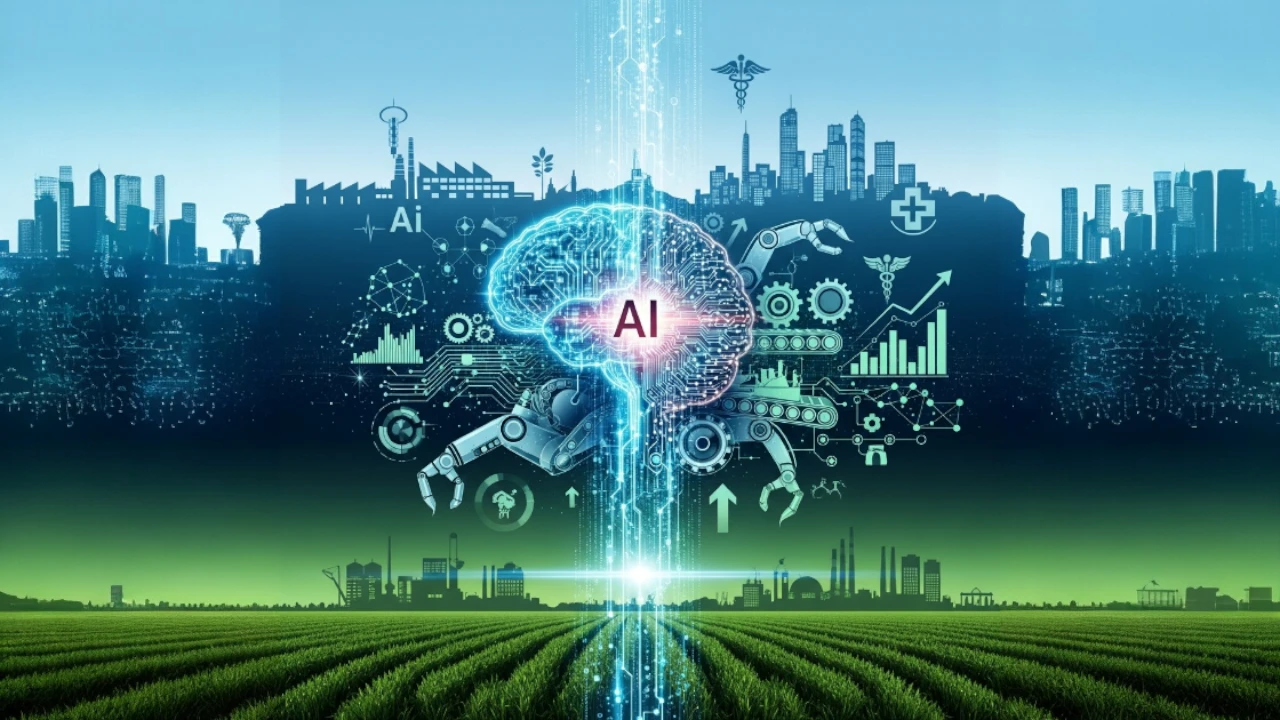
The future of work is transforming industries through automation, AI, remote collaboration, and flexible workforce models. Companies are innovating faster than ever, reshaping organizational structures, job roles, and productivity strategies. For innovators, understanding these shifts is critical to staying competitive and designing solutions that meet tomorrow’s workforce demands
Table of Contents
ToggleUnderstanding the Future of Work
The workplace is evolving at an unprecedented pace. Factors driving this change include:
- Artificial Intelligence and automation
- Remote and hybrid work models
- Gig economy expansion
- Workforce upskilling and reskilling
- Data-driven decision-making
Companies that fail to adapt risk losing talent and market relevance. The future of work isn’t just a trend — it’s a strategic imperative shaping industries worldwide.
Key Drivers Reshaping Industries
1. Technological Disruption
AI, machine learning, robotics, and advanced analytics are automating repetitive tasks and enhancing decision-making. Industries from manufacturing to healthcare are integrating technology to:
- Boost efficiency
- Reduce errors
- Enable predictive insights
- Personalize services
2. Remote & Hybrid Work Models
The pandemic accelerated flexible work adoption. Remote collaboration platforms and cloud-based tools allow teams to operate efficiently across geographies. Benefits include:
- Access to global talent
- Cost savings on office infrastructure
- Increased employee autonomy and satisfaction
3. Gig Economy & Freelance Workforce
Temporary and project-based work is expanding. Companies leverage freelance talent for flexibility, while professionals enjoy:
- Diverse career opportunities
- Flexibility in schedules
- Skill-based income streams
4. Upskilling & Lifelong Learning
Emerging technologies demand new skills. Industries invest in continuous learning programs to:
- Retain top talent
- Improve innovation
- Maintain competitiveness
5. Data-Driven Decision Making
Real-time analytics and AI insights inform strategy, product development, and customer engagement, giving companies an edge over competitors.
Industry Transformations Enabled by the Future of Work
Manufacturing
- Smart factories, IoT devices, and robotics reduce manual labor.
- Predictive maintenance and AI optimize production.
Healthcare
- Telemedicine and AI diagnostics improve patient care.
- Wearables and health data analytics drive personalized treatment plans.
Finance
- Automation handles routine processes like accounting and auditing.
- AI predicts market trends and customer behavior.
Education
- Online learning platforms and AI tutors personalize education.
- Skills-based microlearning prepares learners for future roles.
Retail & E-Commerce
- AI-driven recommendations and inventory optimization transform customer experiences.
- Remote work enables global talent acquisition for digital operations.
Opportunities for Innovators
1. Digital Solutions
Develop software, AI tools, and platforms that streamline remote collaboration, workflow automation, and analytics.
2. Employee Experience & Engagement
Innovators can create solutions to improve workplace culture, communication, and employee well-being.
3. Upskilling Platforms
Lifelong learning platforms help workers acquire new skills, bridging gaps caused by technological disruption.
4. Smart Workspace Design
Hybrid work demands intelligent office spaces with flexible layouts, productivity tech, and wellness integration.
Practical Tips for Businesses & Innovators
- Adopt hybrid work policies with clear expectations
- Invest in automation to reduce repetitive tasks
- Upskill employees regularly to maintain competitiveness
- Leverage data analytics for strategic decision-making
- Prioritize employee well-being to improve retention
- Foster a culture of innovation for adaptability
These strategies help companies not only survive but thrive in a rapidly evolving work landscape.
The Role of Leadership in Shaping the Future of Work
Innovative leaders must:
- Embrace digital transformation
- Lead with empathy and adaptability
- Promote cross-functional collaboration
- Encourage experimentation and agility
- Prepare teams for continuous learning
Leadership now requires balancing technology adoption with human-centric management.
Internal Link Suggestions for Your Website
- “Top Business Tools for Remote Teams”
- “How AI Is Changing Modern Businesses”
- “Future Skills Every Professional Should Learn”
External Authority Sources (E-E-A-T)
- World Economic Forum – The Future of Jobs Report
- McKinsey & Company – Workforce Trends
- Harvard Business Review – Digital Transformation & Leadership
FAQs About the Future of Work
1. What is the “future of work”?
It refers to how technology, workforce flexibility, and innovation are transforming industries, roles, and productivity.
2. How will automation affect jobs?
Automation replaces repetitive tasks but creates opportunities for skilled roles in AI, analytics, and digital operations.
3. What skills are critical for the future workforce?
Critical thinking, digital literacy, adaptability, creativity, and collaboration are key.
4. Is remote work here to stay?
Yes, hybrid and fully remote models are becoming standard in many industries.
5. How can innovators leverage these trends?
By creating solutions in digital tools, upskilling platforms, employee engagement, and AI-driven analytics.
Conclusion
The future of work is not just a technological evolution — it’s a transformation of culture, strategy, and human potential. Industries are being reshaped by automation, remote models, AI, and data-driven insights. Innovators who understand these shifts can create solutions that enhance productivity, improve employee experience, and drive sustainable growth.
Adapting now ensures businesses and professionals remain competitive, resilient, and ready for tomorrow’s opportunities.