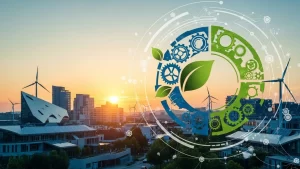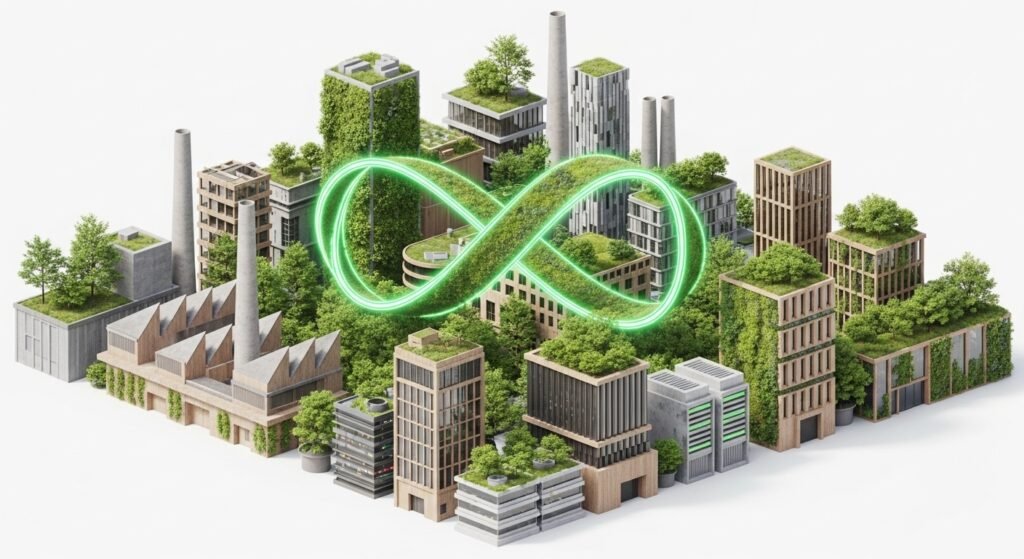
Sustainability and green innovation are transforming industries faster than ever. From renewable energy to eco-friendly manufacturing, companies are redesigning operations to reduce waste, cut carbon emissions, and boost long-term resilience. This shift is creating new opportunities for innovators ready to lead the transition toward a cleaner, smarter, and more sustainable future.
Table of Contents
ToggleThe New Era of Sustainability Is Transforming Global Industries
Across the world, industries are entering a new era driven by sustainable practices, environmental responsibility, and green innovation.
This shift isn’t just a trend — it’s a full-scale transformation shaping the future of business.
Today’s consumers, governments, and investors demand:
- Cleaner production
- Ethical supply chains
- Renewable energy
- Low-waste solutions
- Eco-conscious packaging
- Climate-friendly innovation
Organizations that embrace sustainability aren’t just “doing the right thing” — they are building stronger, more competitive, future-proof businesses.
And for innovators, this is the opportunity of a lifetime.
Why Sustainability Matters More Than Ever
Sustainability is no longer optional — it’s a strategic advantage.
Factors driving the shift include:
- Rising climate awareness
- Environmental regulations
- Clean energy adoption
- Consumer demand for eco-conscious brands
- Corporate responsibility
- Cost savings from efficient operations
Companies that ignore sustainability risk falling behind.
Companies that embrace it unlock growth, trust, and long-term success.
Green Innovation: The Catalyst for Industry Transformation
Green innovation refers to new ideas, products, processes, and technologies that reduce environmental harm while improving efficiency and value.
This includes:
- Renewable energy innovations
- Sustainable materials
- Climate-smart agriculture
- Circular economy solutions
- Smart manufacturing
- Energy-efficient technologies
- Zero-waste operations
Green innovation is driving a massive wave of industrial transformation — and smart businesses are racing to adapt.
How Green Tech Is Powering the Global Shift
Technology is the backbone of modern sustainability.
Industries are turning to green tech to solve some of the world’s biggest environmental challenges.
Renewable Energy Leads the Revolution
Solar, wind, hydropower, and geothermal are replacing fossil fuels at record speed.
Smart Grids & Energy Storage Become Game-Changers
Advanced batteries and AI-powered energy management systems help industries reduce waste and improve efficiency.
Eco-Friendly Manufacturing Takes Over
Factories now integrate:
- Automation
- 3D printing
- Robotics
- Energy-efficient machinery
—all designed to cut carbon footprints.
Carbon Capture & Reuse Technologies Accelerate
Innovators are transforming carbon emissions into usable materials, reducing pollution and creating new revenue.
The future belongs to green tech — and innovators are the leaders of this evolution.
Industries Being Transformed by Sustainability
Sustainability touches every sector. Here’s how major industries are reinventing themselves:
Energy & Power
The energy sector is transitioning from fossil fuels to renewables.
Companies invest in:
- Solar farms
- Wind turbines
- Hydropower
- Green hydrogen
- Battery storage
This shift is creating billions in new green jobs and opportunities.
Manufacturing
Manufacturers are adopting:
- Zero-waste production
- Sustainable materials
- Clean supply chains
This reduces costs and increases brand trust.
Transportation
Electric vehicles (EVs), hybrid engines, and green logistics are revolutionizing mobility.
The future includes:
- EV fleets
- Biofuel-powered aviation
- Smart public transportation
- Autonomous vehicles
This sector alone is reshaping global carbon reduction strategies.
Agriculture & Food Tech
Farms and food companies embrace:
- Precision agriculture
- Sustainable irrigation
- Organic practices
- Plant-based alternatives
- Vertical farming
This leads to healthier food and reduced environmental impact.
Construction & Real Estate
Eco-conscious building practices include:
- Green architecture
- Smart homes
- Energy-efficient materials
- Net-zero buildings
This industry is experiencing a massive shift toward long-term sustainability.
Retail & E-Commerce
Consumers prefer brands that support:
- Recyclable packaging
- Ethical production
- Transparent sourcing
Green branding is now a major selling point.
The Rise of the Circular Economy
The circular economy is replacing the traditional “take–make–waste” model.
Instead of producing waste, industries now focus on:
- Reuse
- Recycling
- Repair
- Redesign
- Resource recovery
This approach reduces environmental impact and increases efficiency.
Sustainability as a Business Strategy
Forward-thinking companies integrate sustainability directly into their business model.
Cost Efficiency
Energy-saving and waste-reducing systems lower costs.
Brand Loyalty
Consumers trust eco-friendly brands more.
Long-Term Stability
Sustainable companies are more resilient to economic and environmental disruptions.
Investment Attraction
Green businesses attract investors and government support.
Key Green Innovation Trends Innovators Should Watch
Here are the most important trends reshaping industries:
Green AI & Automation
AI improves energy efficiency and reduces waste.
Sustainable Packaging
Biodegradable, plant-based, and reusable materials are replacing plastics.
Green Supply Chains
Companies track carbon footprints from production to delivery.
Urban Sustainability
Smart cities integrate renewable energy, water conservation, and eco-friendly infrastructure.
Regenerative Practices
Agriculture and manufacturing shift from sustainability to regeneration — restoring ecosystems, not just preserving them.
These trends are full of opportunities for innovators, startups, and forward-thinking leaders.
How Innovators Can Lead the Sustainability Transformation
Innovators play a crucial role in shaping the future. Here’s how they can lead:
Adopt Eco-First Thinking
Start with environmental impact in mind for every product or service.
Build Sustainable Products
Design for longevity, efficiency, and recyclability.
Use Data and Technology
AI, IoT, and automation amplify sustainability impact.
Collaborate With Green Partners
Partnerships expand innovation potential.
Educate Consumers
Awareness increases adoption of sustainable solutions.
Stay Ahead of Regulations
Understanding policies helps businesses innovate responsibly.
The Challenges — And Opportunities — Ahead
Sustainability comes with challenges like:
- High initial cost
- Lack of awareness
- Limited green infrastructure
- Supply chain complexities
But these challenges create opportunities for innovators to design solutions that reshape industries.
The world needs:
- Better recycling systems
- Smarter energy solutions
- Eco-friendly materials
- Cleaner supply chains
- Low-carbon technologies
This is where innovators rise and lead.
Internal Link Suggestions:
If your site covers relevant topics:
- Link to Innovation articles
- Link to Business insights
- Link to Green technology
- Link to Future trends
External Authoritative Sources:
- United Nations Climate Reports
- International Energy Agency (IEA)
- World Economic Forum — Green Innovation
- Harvard Business Review — Sustainability Insights
FAQs (Unique & Not Repeated)
How does sustainability benefit businesses financially?
Sustainable practices reduce energy costs, improve efficiency, and attract consumers who prefer eco-friendly brands.
Which industries will benefit most from green innovation?
Energy, manufacturing, transportation, agriculture, and construction are among the top sectors experiencing strong growth from green solutions.
Is sustainability only for large corporations?
No. Small businesses and startups often innovate faster and can adopt sustainable practices with more flexibility.
What role does technology play in sustainability?
AI, automation, renewable energy systems, and smart sensors help industries reduce waste and improve efficiency.
Why is consumer awareness important for green innovation?
Informed consumers drive demand for eco-friendly products, encouraging companies to innovate faster.
Conclusion: The Future Belongs to Sustainable Innovators
Sustainability and green innovation aren’t just shaping the future — they’re defining it.
Industries worldwide are transforming operations, adopting renewable technologies, and building cleaner, smarter systems.
For innovators, this is the most exciting era in history.
Those who embrace sustainability today will lead industries tomorrow.
The world is ready for change — and innovation is the key.