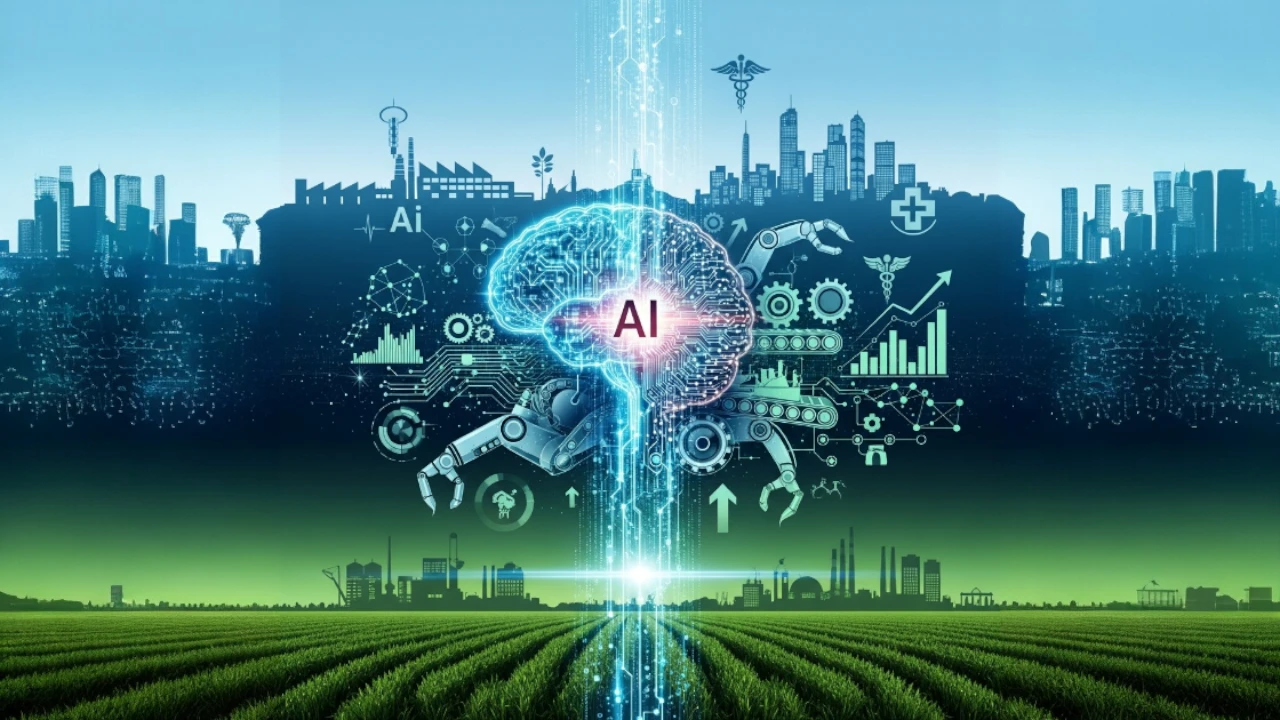
In today’s fast-paced world, technology is not just supporting industries — it’s reshaping them entirely. Companies that fail to adapt risk being left behind, while innovators can capitalize on new tools, business models, and consumer behaviors.
From retail to healthcare, manufacturing to finance, disruptive technologies are changing how industries operate, deliver value, and engage with customers. For business leaders, entrepreneurs, and innovators, understanding these shifts is critical to remaining competitive and thriving in the digital age.
This article explores the major ways technology disruption is reshaping industries and offers key insights for innovators to stay ahead.
Table of Contents
ToggleUnderstanding Technology Disruption
Technology disruption occurs when new tools, platforms, or processes significantly change the way an industry operates. This goes beyond incremental improvements — it alters business models, customer expectations, and competitive dynamics.
Characteristics of Disruptive Technology
- Rapid adoption and scalability
- Accessibility to a wide user base
- Cost reduction or efficiency gains
- Creation of new value chains
- Potential to replace traditional methods
Examples include artificial intelligence, blockchain, cloud computing, IoT, and autonomous systems.
Key Industries Being Reshaped by Technology
While almost every sector is experiencing change, some industries are seeing profound transformation.
1. Healthcare
- Telemedicine: Remote consultations make healthcare more accessible.
- AI Diagnostics: Faster, more accurate detection of diseases.
- Wearable Health Devices: Real-time monitoring of vital signs and chronic conditions.
Disruption enables personalized care, reduces costs, and improves patient outcomes.
2. Finance
- Fintech Innovations: Mobile banking, digital wallets, and peer-to-peer payments transform transactions.
- Blockchain & Cryptocurrency: Decentralized finance (DeFi) is challenging traditional banking models.
- AI Risk Management: Predictive analytics improves investment decisions and fraud detection.
Financial services are becoming faster, more secure, and more consumer-focused.
3. Retail
- E-commerce Evolution: AI-driven recommendations and automated logistics streamline shopping.
- Augmented Reality (AR): Virtual try-ons and interactive shopping experiences engage customers.
- Supply Chain Automation: Robotics and IoT reduce errors and increase efficiency.
Retailers must adapt to changing consumer behaviors to stay relevant.
4. Manufacturing
- Industry 4.0: Smart factories with AI, IoT, and robotics optimize production.
- Predictive Maintenance: Sensors reduce downtime and increase operational efficiency.
- 3D Printing: Enables rapid prototyping and customized production at scale.
Manufacturing is becoming more agile, cost-efficient, and customer-centric.
5. Transportation and Logistics
- Autonomous Vehicles: Self-driving technology disrupts freight and passenger transport.
- Route Optimization Algorithms: AI enhances delivery speed and reduces costs.
- Drone Delivery: Expands last-mile delivery possibilities.
Transportation is moving towards faster, safer, and more sustainable solutions.
Emerging Technologies Driving Disruption
Several technologies are the primary drivers behind modern disruption.
Artificial Intelligence (AI)
- Automates tasks and decision-making
- Enhances personalization and customer experiences
- Enables predictive analytics for business strategy
Blockchain
- Secure, transparent transactions
- Decentralized record-keeping
- Enables new business models like tokenization and smart contracts
Internet of Things (IoT)
- Connects devices to gather data in real time
- Improves operational efficiency across industries
- Enables predictive maintenance and smart ecosystems
Cloud Computing
- Provides scalable infrastructure
- Supports collaboration and remote operations
- Reduces IT costs and accelerates innovation
Augmented Reality (AR) & Virtual Reality (VR)
- Enhances customer engagement and training programs
- Improves visualization in product design
- Enables immersive experiences in retail and education
Key Insights for Innovators
Understanding how technology reshapes industries provides valuable lessons for innovators.
1. Prioritize Agility
Innovators must be flexible, able to pivot quickly when new tools or market shifts emerge. Agile teams and adaptive strategies are essential.
2. Embrace Data-Driven Decisions
Data is the backbone of disruption. Leveraging analytics and AI helps anticipate trends, understand customer needs, and make informed decisions.
3. Foster a Culture of Innovation
Encourage experimentation, risk-taking, and learning from failures. Companies that cultivate innovation outperform rigid organizations.
4. Focus on Customer Experience
Disruption is often customer-driven. Innovators should design products and services that solve real pain points efficiently.
5. Leverage Cross-Industry Insights
Many innovations come from combining insights from multiple industries. For example, healthcare can adopt AI methods from finance or logistics.
Challenges and Risks of Technology Disruption
While disruption brings opportunities, it also introduces risks that innovators must navigate.
Potential Risks
- Cybersecurity threats and data breaches
- Job displacement due to automation
- Regulatory and compliance hurdles
- Rapid obsolescence of existing products
- Resistance to change within organizations
Successful innovators plan for these risks while capitalizing on opportunities.
Future Trends Shaping Industries
Several trends indicate how disruption will continue shaping industries:
- Hyper-personalization: Tailored products, services, and marketing experiences
- Sustainable Technology: Eco-friendly innovations become mandatory
- Collaborative Platforms: Ecosystems that connect businesses, suppliers, and consumers
- AI Ethics and Governance: Ethical considerations become central to technology adoption
- Remote and Hybrid Operations: Permanent changes to work models enabled by cloud and collaboration tech
Keeping a pulse on these trends is critical for long-term competitiveness.
Internal Link Suggestions
- Emerging Tech Trends for 2026
- How AI is Transforming Businesses
- Innovation Strategies for Startups
- Digital Transformation in Modern Industries
- Smart Manufacturing and Industry 4.0
External Authoritative Sources
- worldbank.org (Industry insights & global trends)
- weforum.org (World Economic Forum reports on technology disruption)
- mit.edu (Technology and innovation studies)
- mckinsey.com (Industry research and insights)
- ieee.org (Emerging technology publications)
FAQs
What is technology disruption?
Technology disruption occurs when new technologies fundamentally change how industries operate, creating new markets and potentially replacing existing models.
Which industries are most impacted?
Healthcare, finance, retail, manufacturing, and transportation are among the most disrupted sectors today.
How can innovators leverage disruption?
By embracing agility, data-driven strategies, customer-centric solutions, and cross-industry insights.
What are the biggest risks of disruption?
Cybersecurity threats, regulatory challenges, workforce displacement, and rapid obsolescence are primary concerns.
How will technology disruption shape the future?
It will create hyper-personalized experiences, promote sustainable innovation, drive AI adoption, and reshape global work and consumer patterns.
Conclusion
Technology disruption is not a future threat — it’s a present reality reshaping industries at an unprecedented pace. Innovators who understand these shifts, embrace emerging tools, and prioritize customer-centric solutions can turn disruption into opportunity.
From AI and IoT to blockchain and AR, staying informed and agile is key. Businesses and innovators who adapt early will thrive, while those that resist change risk being left behind. Embracing disruption today is the smartest strategy for long-term growth, relevance, and innovation.