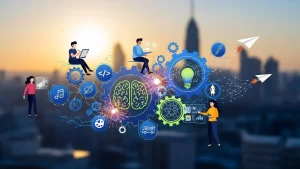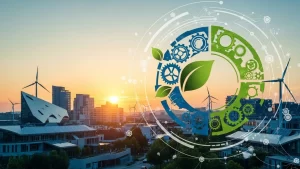
Startup ecosystems in 2026 are transforming with AI automation, decentralized funding, remote-first operations, and sustainability-driven models. These breakthroughs allow founders to scale faster, access global talent, and launch innovative products efficiently. The future of startups is smarter, faster, and more inclusive than ever.
Table of Contents
ToggleWhy 2026 Marks a New Era for Startups
2026 is not just another year for entrepreneurship — it’s a turning point. Unlike previous eras, the new startup landscape is defined by:
- Hyper-automation using AI
- Global, decentralized funding options
- Remote-first team structures
- Micro-startups and solo founders scaling faster
- Sustainability and impact-driven business models
- AI-powered decision-making tools
The combination of technology, global talent accessibility, and innovative funding models is making entrepreneurship more democratized and faster than ever before.
AI-Native Startups Are Becoming the Default
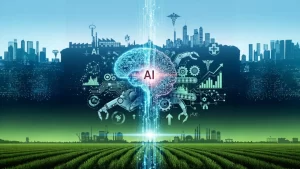
In 2026, startups without AI are at a significant disadvantage. AI is not just a tool—it’s the foundation for product design, operations, and growth.
Key AI Applications in Startups
- Predictive analytics for market insights
- Automated customer support & chatbots
- AI-assisted coding and development
- Marketing automation with AI-generated content
- Smart decision-making tools for finance and operations
Why It Matters
Small teams can now perform the work of much larger organizations. This enables founders to scale efficiently, reduce costs, and test multiple business models simultaneously.
Decentralized & Global Funding Models
Funding in 2026 is no longer limited to traditional venture capital. Entrepreneurs have unprecedented access to global investors and innovative financial tools.
Breakthrough Funding Trends
- Crowd-investing platforms that allow thousands of micro-investors to fund a startup
- Blockchain-based funding, including tokenized equity and DeFi platforms
- Revenue-sharing and profit-sharing investment models
- AI-driven investor matching systems
Impact for Startups
- Faster fundraising cycles
- More inclusive access to capital
- Reduced dependency on single investors
- Greater community engagement and trust
Decentralized funding empowers founders while keeping control in their hands.
Remote-First Teams Are Becoming the Standard
Remote work is now deeply ingrained in startup culture. By 2026, remote-first startups will dominate the ecosystem.
Benefits of Remote-First Startups
- Access to global talent
- Lower operational costs
- Increased employee satisfaction
- Faster scaling and flexibility
Tools for collaboration, communication, and performance monitoring are now AI-assisted, making remote operations seamless.
Sustainability & Impact-Driven Startups Lead Investment Trends
Investors increasingly favor startups with a social or environmental mission.
2026 Sustainability Hotspots
- Climate-tech and renewable energy
- Circular economy solutions
- Green logistics and supply chains
- Ethical AI and tech solutions
- Eco-friendly consumer brands
Founders who embed impact and sustainability into their business model are attracting more funding and stronger customer loyalty.
Micro-Startups & Solo Founders Scale Faster Than Ever
Thanks to automation, no-code/low-code tools, and AI, solo founders and micro-teams can now compete globally.
Advantages
- Lean operations
- Rapid MVP development
- Agile decision-making
- Cost-efficient scaling
Many micro-startups focus on digital products like SaaS, AI services, subscription models, and creator-driven ventures.
Global Startup Hubs Are Expanding
Traditional startup hubs like Silicon Valley are being complemented by emerging global ecosystems.
Notable 2026 Hubs
- Singapore
- Dubai
- Bangalore
- Tallinn
- Lagos
- São Paulo
- Ho Chi Minh City
Why This Matters
- Lower costs and higher talent density
- Access to local innovation incentives
- Stronger government support and startup-friendly policies
These hubs are creating borderless opportunities for founders worldwide.
Creator Economy Startups Are Thriving
Creators are no longer just content producers—they’re building scalable startups with direct audiences.
Top Models
- Subscription-based digital communities
- AI-enhanced content platforms
- Direct-to-consumer product lines
- Micro-SaaS tools and apps
Creators already have built-in trust, which accelerates market entry and revenue growth.
Automation Tools Transform Product Development
Startups in 2026 use AI and automation to accelerate every aspect of operations.
Automation Highlights
- No-code/low-code MVP platforms
- AI-assisted design and prototyping
- Workflow automation for operations
- Predictive analytics for growth strategy
This drastically reduces launch timelines and costs, allowing experimentation with multiple ideas.
Mental Health & Employee Wellness Are Now Core Startup Priorities
Employee burnout and mental health awareness are now critical. Forward-thinking startups integrate wellness into their culture, boosting productivity, retention, and innovation.
Strategies in Use
- AI-driven wellness monitoring
- Flexible, remote-friendly schedules
- Mental health benefits and support apps
- Mindfulness programs
Well-being is no longer an afterthought—it’s central to scaling successful startups.
Practical Tips for Entrepreneurs in 2026
- Adopt AI early – it’s no longer optional.
- Think globally from day one – hire and sell worldwide.
- Use decentralized funding – reduce reliance on traditional VCs.
- Focus on sustainability – impact-driven startups attract investors.
- Leverage automation – accelerate MVP development and operations.
- Prioritize mental health – for founders and teams.
- Build micro-startups – small teams can scale faster and pivot easier.
Internal Link Suggestions
- “How Innovation & Disruption Is Shaping the Future of Business”
- “Top Global Economic Trends Secrets the Rich Don’t Want You to Know”
- “Digital Marketing Strategies That Transform Business Success”
External Authoritative Sources
- World Economic Forum – Startup & Entrepreneurship Reports
- MIT Technology Review – Emerging Technologies
- Harvard Business Review – Innovation Insights
- Statista – Global Startup Ecosystem Reports
FAQs
What are the biggest startup ecosystem breakthroughs in 2026?
AI-native startups, decentralized funding, global remote teams, sustainability, and creator economy ventures.
How can solo founders compete in 2026?
By leveraging AI, automation, no-code tools, and remote talent, micro-startups can scale globally.
Which industries are booming for startups in 2026?
AI, healthtech, sustainability, fintech, edtech, and creator economy startups.
Are traditional VC models still relevant in 2026?
Yes, but decentralized funding and crowd-investing are rapidly reshaping the landscape.
Why are mental health and wellness important for startups?
Founders and teams with strong well-being are more productive, creative, and resilient, which improves startup success.
Conclusion: The Future of Startups Has Arrived
2026 is a transformative year for entrepreneurship. AI, automation, remote-first operations, global funding, and sustainability are creating unprecedented opportunities. Founders who embrace these breakthroughs will dominate the next era of global innovation, while those who ignore them risk being left behind.
The future is faster, smarter, borderless, and impact-driven—and it starts now.